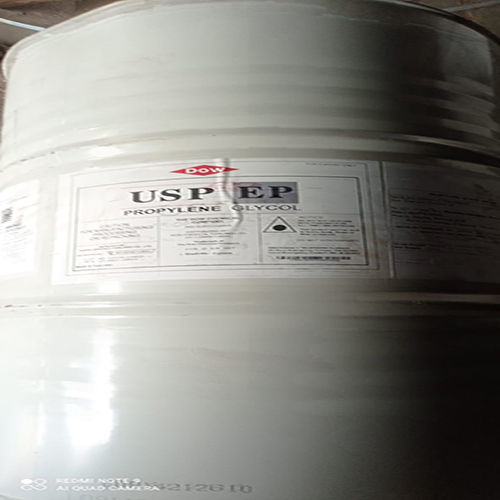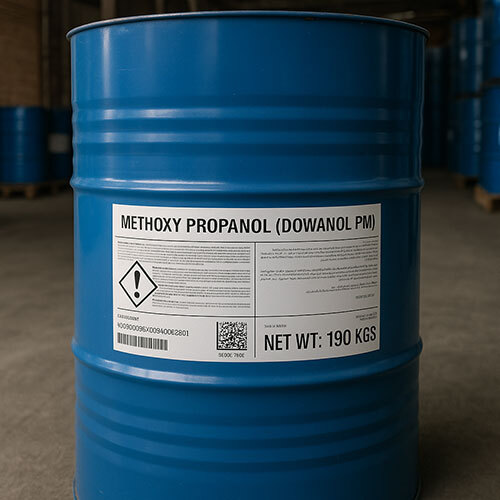
PROPYLENE GLYCOL (PG)

PROPYLENE GLYCOL (PG)

MOQ : 200 Kilograms

PROPYLENE GLYCOL (PG) Specification

  • Grade
  • Industrial
  • Purity
  • 99%
  • Storage
  • Other
  • CAS No
  • 57-55-6
  • Poisonous
  • NO
  • EINECS No
  • 200-338-0
  • Application
  • Industrial
  • HS Code
  • 29053200
  • Properties
  • Propylene Glycol is a propanediol that exists as a clear, colorless and hygroscopic liquid and consists of propane where the hydrogens at positions 1 and 2 are substituted by hydroxyl groups. Propylene glycol is used as an organic solvent and diluent in pharmaceuticals and many other industrial applications.
  • Density
  • 1.04 g/cm
  • Product Type
  • Humectant / Solvent
  • Ph Level
  • Neutral
  • Melting Point
  • -59 C
  • Physical Form
  • Liquid
  • Usage
  • Propylene glycol is also used to make polyester compounds, and as a base for deicing solutions. Propylene glycol is used by the chemical, food, and pharmaceutical industries
  • Molecular Formula
  • C3H8O2
  • Solubility
  • Miscible with water and organic solvents
  • Ingredients
  • Propylene Glycol (C H O )
  • Molecular Weight
  • 76.09 g/mol
  • Appearance
  • Clear, colorless, odorless liquid
 

PROPYLENE GLYCOL (PG) Trade Information

  • Minimum Order Quantity
  • 200 Kilograms
  • Supply Ability
  • 2000 Kilograms Per Month
  • Delivery Time
  • 7 Days
 

About PROPYLENE GLYCOL (PG)

A versatile solvent and humectant used in food, cosmetics, pharmaceuticals, and industrial applications. It enhances moisture retention, dissolves active ingredients, and is widely used in antifreeze, coatings, and personal care products.

Exceptional Industrial Versatility

Propylene Glycol is renowned for its adaptability across diverse sectors. It integrates seamlessly into the chemical, pharmaceutical, and food industries, serving as a base for deicing solutions and integral component in epoxy agents, coatings, and adhesives. Its solubility and compatibility with numerous materials make it a preferred choice for industrial manufacturers seeking reliability and performance.


Superior Chemical Properties

With high chemical resistance, low viscosity, and excellent adhesion, Propylene Glycol (C3H8O2) stands out for its physical and chemical strengths. It remains stable under various conditions, boasting a melting point of -59C and a density of 1.04 g/cm. Its neutral pH and remarkable solubility properties ensure efficiency and consistency in application.

FAQs of PROPYLENE GLYCOL (PG):


Q: How is propylene glycol typically used in industrial applications?

A: Propylene Glycol is widely employed as a solvent and base material in the production of polyester compounds, deicing solutions, epoxy curing agents, coatings, adhesives, and polyurethane formulations. Its versatile nature fits numerous manufacturing processes in the chemical, food, and pharmaceutical industries.

Q: What are the key benefits of using propylene glycol in manufacturing?

A: The main benefits include its high chemical resistance, excellent adhesion, good flexibility, low viscosity, and outstanding solubility with water and organic solvents. These properties enable manufacturers to create durable, reliable products across various industrial applications.

Q: When should propylene glycol be used in coatings and adhesives?

A: Propylene Glycol is best utilized as a component in coatings and adhesives when enhanced chemical resistance, flexibility, and low viscosity are essential for optimal formulation and application results.

Q: Where is propylene glycol typically supplied or manufactured in India?

A: Propylene Glycol is distributed, exported, imported, manufactured, and supplied by a range of industrial chemical companies across India, serving major manufacturing and processing hubs.

Q: What is the process of incorporating propylene glycol into polyurethane formulations?

A: Propylene Glycol acts as a reactive diluent in polyurethane systems, improving workability, reducing viscosity for easier application, and enhancing mechanical properties such as flexibility and chemical resistance.

Q: Is propylene glycol considered toxic or hazardous for industrial use?

A: No, propylene glycol is classified as non-poisonous and poses minimal health hazards when handled in accordance with industrial safety guidelines. Its high purity and neutral pH further promote safe handling.

Tell us about your requirement
product

Price:

Quantity
Select Unit

  • 50
  • 100
  • 200
  • 250
  • 500
  • 1000+
Additional detail
Mobile number

Email

More Products in Glycol Ethers & Acetate Category

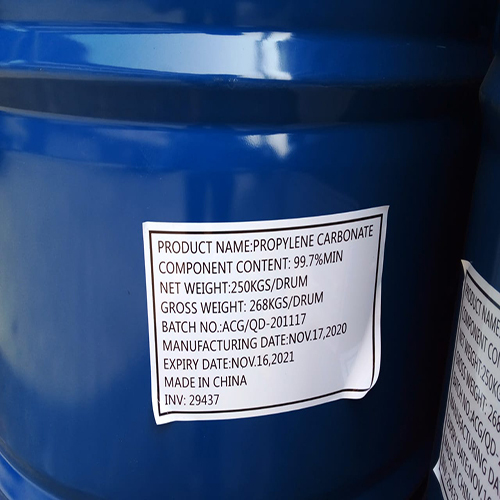
PROPYLENE CARBONATE

PROPYLENE CARBONATE

Minimum Order Quantity : 200 Kilograms

Properties : Propylene carbonate is a cyclic carbonate that is commonly used as a solvent and as a reactive intermediate in organic synthesis. Propylene carbonate may be used as a solvent for the asymmetric hydrogenation of nonfunctionalized olefins.

Grade : Industrial / Technical

Physical Form : Liquid

Application : Industrial

Usage : Cleaning & Degreasing Applications ,isocyanate and unsaturated polyester resin cleanup solvent, cosmetics and skincare products.

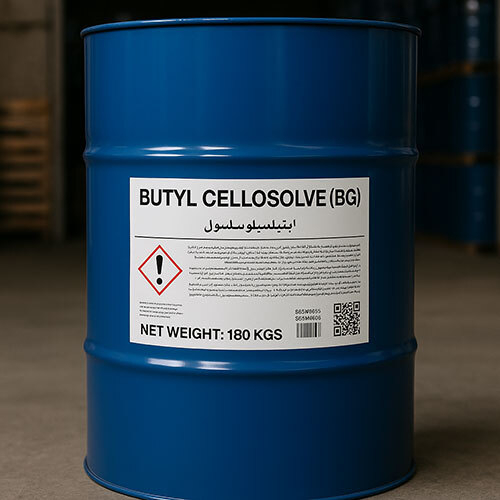
BUTYL GLYCOL (BG) (BUTYL CELLOSOLVE)

BUTYL GLYCOL (BG) (BUTYL CELLOSOLVE)

Minimum Order Quantity : 200 Kilograms

Properties : Molecular Weight (g/mol) 118.2 Boiling Point @ 760 mmHg, 1.01 ar 171 C (340 F) Flash Point (Setaflash Closed Cup) 67 C (153F) Freezing Point 75 C (103F)

Grade : Industrial

Physical Form : Liquid

Application : Paints

Usage : Active solvent for solventbased coatings. Coalescent for industrial waterbased coatings. Coupling agent for architectural waterborne coatings. Coupling agent and solvent in household and industrial cleaners, rust removers, hard surface cleaners, and disinfectants. Primary solvent in solventbased silk screen printing inks. Coupling agent for resins and dyes in waterbased printing inks

METHOXY PROPYL ACETATE (PMA)

METHOXY PROPYL ACETATE (PMA)

Minimum Order Quantity : 200 Kilograms

Properties : Methoxypropyl Acetate is a clear, slightly hygroscopic liquid with a mild odour. It is freely miscible with most common organic solvents, but has only limited miscibility with water.

Grade : Industrial

Physical Form : Liquid

Application : Printing Industry

Usage : Its used for Paint and ink manufacturing induastry

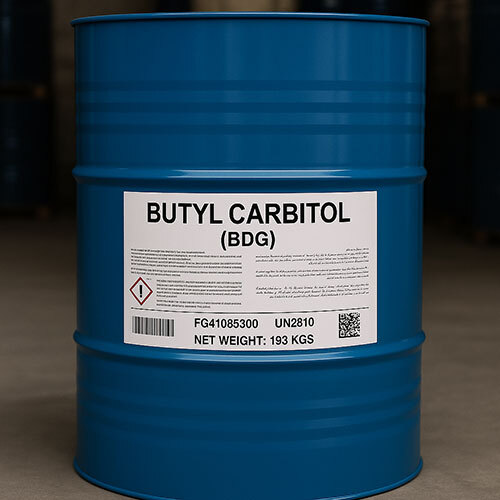
BUTYL CARBITOL (BDG) DIETHYLENE GLYCOL MONOBUTYL ETHER

BUTYL CARBITOL (BDG) DIETHYLENE GLYCOL MONOBUTYL ETHER

Minimum Order Quantity : 200 Kilograms

Properties : Molecular Weight (g/mol) 162.2 Boiling Point @ 760 mmHg, 1.01 ar 230 C (446 F) Flash Point (Setaflash Closed Cup) 114 C (237 F) Freezing Point 68 C (90F) Specific gravity (25/25C) 0.951

Grade : Industrial

Physical Form : Liquid

Application : Paints

Usage : Household and Industrial cleaning formulations Latex coalescent in waterbased architectural and industrial coatings Coupling agent and solvent in household and industrial cleaners Primary solvent in solventbased silk screen printing inks Coupling solvent for resins and dyes in waterbased printing inks Solvent for textile dyeing and printing Coalescent for latex adhesives Deactivator, stabilizer for agricultural pesticides


Back to top