About EPICHLOROHYDRIN (ECH)
Product Overview:
Epichlorohydrin (ECH) is a highly reactive, versatile chemical intermediate widely used in the production of various industrial and specialty chemicals. This colorless liquid with a slightly sweet odor is known for its exceptional reactivity, making it a key raw material in numerous applications, including epoxy resins, water treatment chemicals, and synthetic glycerin.
Key Features & Benefits:
High Purity & Stability Ensures reliable performance in diverse applications.
Excellent Reactivity Ideal for chemical synthesis and polymer production.
Wide Industrial Utility Used in adhesives, coatings, elastomers, and pharmaceuticals.
Strong Adhesion & Resistance Essential for high-performance epoxy resins.
Versatile Solvent Effective in specialty formulations and surface treatments.
Applications:
Epoxy Resins: Primary raw material for high-strength adhesives, coatings, and composites.
Water Treatment Chemicals: Used in producing flocculants and ion-exchange resins.
Synthetic Glycerin Production: Important precursor in pharmaceuticals, cosmetics, and food additives.
Elastomers & Polymers: Enhances durability and chemical resistance in industrial applications.
Agrochemicals & Pharmaceuticals: Intermediate in pesticide formulations and active pharmaceutical ingredients (APIs).
Get in Touch Today!
Request a Quote | Order a Sample | Speak to Our Experts
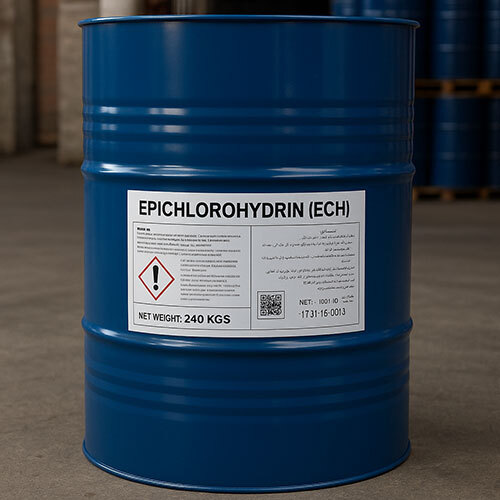
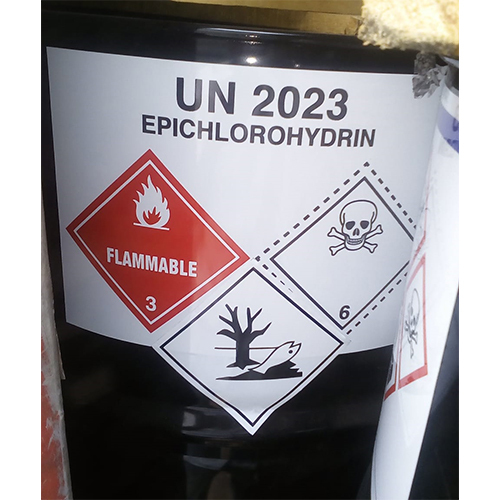
Key Properties and HandlingEpichlorohydrin features significant properties, including a flash point of 33C and an auto-ignition temperature of 432C. It has a vapor pressure of 18 mm Hg at 20C, a refractive index of 1.4383, and a density of 1.190 g/cm. The chemical is stable under normal conditions but must be stored in a cool, dry place away from heat and ignition sources due to its toxic and flammable nature. Proper ventilation and PPE are strongly recommended.
Applications in IndustryPrimarily used as a feedstock for epoxy resin production, epichlorohydrin is crucial in the manufacturing of synthetic glycerin and elastomers. Its ability to readily react with various substances makes it a versatile intermediate in chemical synthesis, facilitating the production of adhesives, coatings, and industrial plastics. Its utility in diverse sectors highlights its industrial value.
FAQs of EPICHLOROHYDRIN (ECH):
Q: How should epichlorohydrin (ECH) be stored to ensure safety and product integrity?
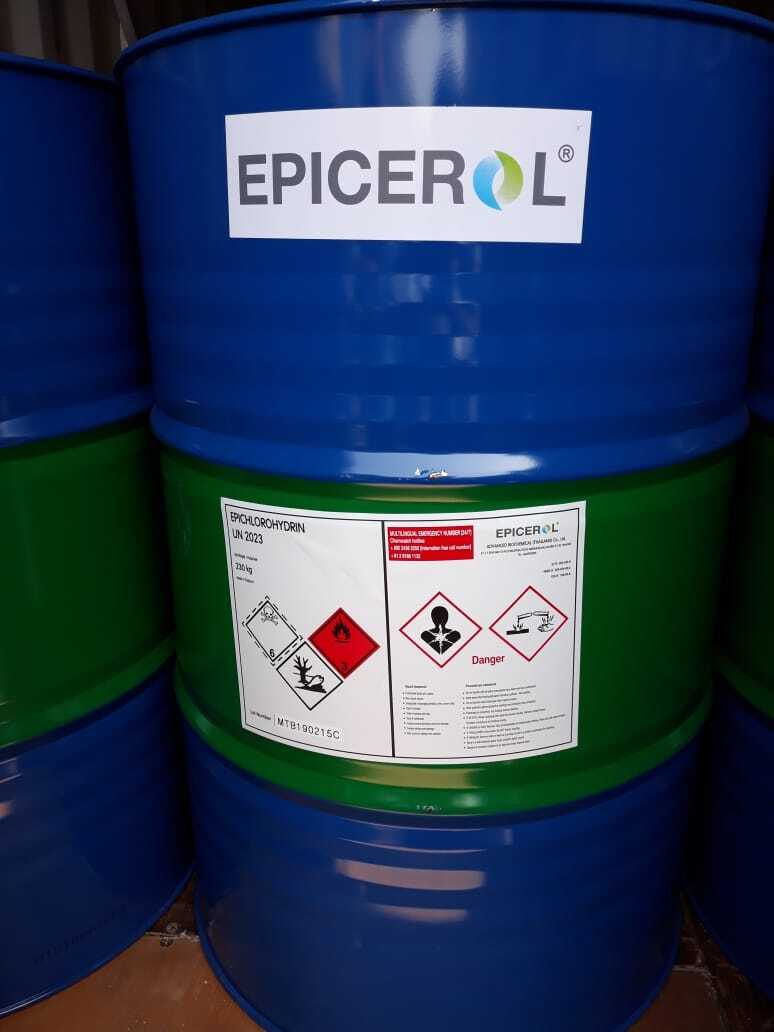
A: Epichlorohydrin should be stored in a cool, dry, well-ventilated environment, away from heat, ignition sources, and incompatible chemicals. Always keep containers tightly closed and in appropriate steel drums, ISO tanks, or bulk containers to maintain product purity and prevent hazardous incidents.
Q: What is the main industrial use of epichlorohydrin?
A: The principal application of epichlorohydrin is as a raw material in the synthesis of epoxy resins. It is also utilized in the manufacture of synthetic glycerin and elastomers, making it valuable for producing adhesives, coatings, plastics, and various engineered materials.
Q: When is epichlorohydrin considered unsafe to use?
A: Epichlorohydrin is unsafe if exposed to ignition sources due to its flammability or if inhaled, ingested, or comes into contact with skin and eyes due to its toxic and irritant properties. Always use appropriate personal protective equipment and handle in line with safety instructions.
Q: Where can epichlorohydrin be sourced in Saudi Arabia?
A: Epichlorohydrin is available through authorized distributors, exporters, importers, manufacturers, and suppliers in Saudi Arabia. It is typically supplied in steel drums, ISO tanks, and bulk packaging for industrial customers.
Q: What is the process of using epichlorohydrin in epoxy resin manufacturing?
A: Epichlorohydrin is combined with various reactants, such as bisphenol A, under controlled conditions to synthesize epoxy resins. The process requires careful temperature and pressure management, along with strict safety protocols due to ECHs hazardous characteristics.
Q: What are the benefits of using epichlorohydrin in industrial applications?
A: Epichlorohydrin offers high reactivity and purity, enabling efficient synthesis of robust epoxy resins and versatile chemical intermediates. Its properties enhance the performance and durability of end-products, supporting diverse industrial manufacturing needs.

 Send Inquiry



 Send Inquiry

 Send Inquiry


