About PERCHLOROETHYLENE (PERC)
Product Overview:
Perchloroethylene (PERC) is a colorless, non-flammable liquid with a mild ether-like odor. Known for its excellent solvency power, PERC is widely used as an industrial solvent in dry cleaning, metal degreasing, and chemical manufacturing. With its high stability and low boiling point, it ensures effective cleaning and degreasing while minimizing residue formation.
Applications:
Dry Cleaning Solvent: Preferred choice in professional textile and garment cleaning.
Metal Degreasing: Removes oils, greases, and contaminants from metal surfaces.
Chemical Intermediate: Used in the synthesis of fluorinated compounds and specialty chemicals.
Electronics Cleaning: Ensures precision cleaning in circuit board manufacturing.
Automotive & Aerospace: Degreasing applications in engine and component maintenance.
Adhesives & Coatings: Serves as a solvent in various industrial formulations.
Key Features & Benefits:
High Solvency Power: Effectively dissolves oils, grease, and other contaminants.
Non-Flammable & Stable: Ensures safety in industrial environments.
Quick Drying & Low Residue: Leaves minimal residue, ensuring high-quality results.
Versatile Industrial Use: Suitable for multiple cleaning and degreasing applications.
Packaging & Availability:
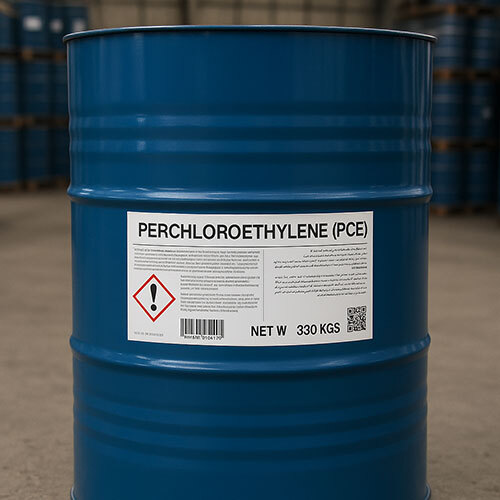
Available in Drums | IBC Tanks | Bulk Tanker Loads
Global Supply | Consistent Quality | Competitive Pricing
For inquiries or bulk orders, contact Dhalop Chemicals today!
Applications in Dry Cleaning and DegreasingPerchloroethylene is primarily used as a solvent in dry cleaning operations, where it excels at dissolving grease and oil stains without harming delicate fabrics. Its chemical properties also make it a valuable solvent for metal degreasing in various industries. When used as directed in specialized machinery, PERC demonstrates high cleaning efficiency and rapid evaporation, leaving minimal residue.
Safe Handling and Storage RequirementsTo ensure safety, PERC should always be stored in tightly sealed containers in a cool, dry, and well-ventilated area, away from heat or ignition sources. Adequate ventilation during its use is critical, and direct contact with the skin or eyes, as well as inhalation of vapors, must be avoided. The substance is stable when stored correctly, with an expected shelf life of up to 2 years from the manufacturing date.
Environmental and Health ConsiderationsAlthough PERC is a powerful cleaning agent, it is a regulated hazardous air pollutant and potentially harmful to human health. Its use is subject to environmental emission controls, and users should adhere to all safety guidelines, including personal protective equipment. PERC is suspected of causing cancer and may irritate the skin and eyes, emphasizing the importance of responsible handling.
FAQs of PERCHLOROETHYLENE (PERC):
Q: How is perchloroethylene used in dry cleaning operations?
A: Perchloroethylene is directly loaded into dry cleaning machines, where it acts as a solvent to dissolve oils, greases, and waxes from fabrics without damaging them. Its rapid evaporation and high solvency power make it particularly effective for professional textile cleaning.
Q: What precautions should be taken when handling PERC?
A: Always use perchloroethylene in well-ventilated areas and avoid inhaling its vapors or allowing it to come into contact with your skin or eyes. Wear appropriate personal protective equipment, and store the chemical in tightly closed containers away from heat and incompatible substances such as strong alkalis and finely powdered metals.
Q: Where should perchloroethylene be stored for optimal safety and stability?
A: PERC should be stored in a cool, dry, and well-ventilated location. Ensure that containers are tightly sealed and kept away from heat sources and direct sunlight. Storage areas should also be secure from ignition sources and incompatible materials.
Q: What are the benefits of using PERC as a solvent?
A: Perchloroethylenes primary benefit is its strong solvency for greases, oils, and waxes, enabling effective cleaning without harming most fabrics or metal surfaces. Its non-flammability and rapid evaporation further enhance its suitability for industrial cleaning applications.
Q: When does PERC expire, and how should it be handled after its shelf life?
A: PERC typically has a shelf life of 2 years under proper storage conditions. After this period or if the chemical shows signs of degradation, dispose of it in accordance with local hazardous waste regulations to avoid environmental contamination and health risks.
Q: What are the environmental and health effects of PERC exposure?
A: PERC is classified as a hazardous air pollutant and is regulated due to its potential to harm the environment. Health hazards include skin and eye irritation and suspected carcinogenicity (H351). It should be handled with care and always in accordance with environmental and occupational safety guidelines.

 Send Inquiry




 Send Inquiry

 Send Inquiry


